February 13, 2020
3 Minute Read
Legal Dangers of Misrepresentation by Brokers | Featured on PropertyShark

Selling a home is similar to selling a product. In order to appeal to buyers, listings need to have appealing photos, detailed descriptions of the property and vital information about the surrounding area.
But, as with any sales listing, the line between marketing and misleading can sometimes get blurry. As a result, when sharing listings, brokers should take care to avoid vague language that could potentially get them into legal trouble for misrepresentation.

Misrepresentation can occur in a variety of different ways; the key to differentiating between a case of true misrepresentation and a simple mistake is intent. If a broker provides information that they believed to be a true statement, then they are not committing any act of misrepresentation. Conversely, if a broker knowingly provides false information for the purposes of making a sale, then this can be considered an act of fraud. The lines are especially blurry here because there is no specific law in place that directly addresses falsifications of real estate listings.
However, there is a law aimed at regulating these falsifications. The Property Conditions Disclosure Act (PCDA) helps potential residential real estate buyers obtain fair information. In accordance with this law, sellers of residential real property are required to provide the potential buyer or buyer’s agent with a complete disclosure statement. This statement must be delivered to either party prior to the signing of any binding contracts.
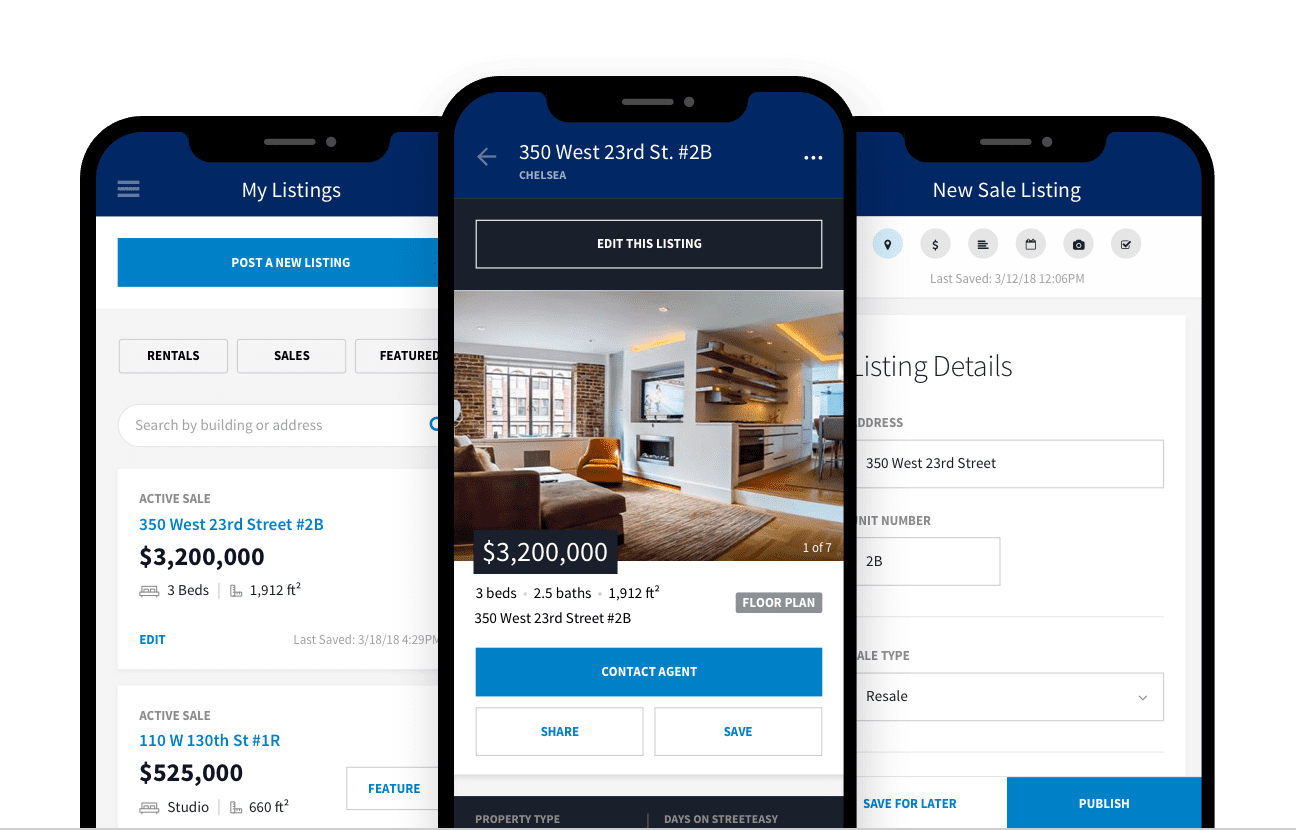
Following the PCDA, in May of 2019, the State Real Estate Board of New York added new provisions that deal directly with advertising and listing misrepresentations:
- The new provisions prohibit any brokers, agencies or real estate salespersons from advertising listings that are exclusive to a specific broker without that broker’s permission.
- The advertisements must be specific and clearly state the name of the exclusive broker.
- If a third-party is paid for advertising, those advertisements must disclose the exclusive broker’s name and include the word “advertisement,” at minimum.
These provisions help clarify any confusion that potential buyers or interested individuals may have, whether the misconception is about the physical property itself or the listing party. On the broker’s side, the regulations also eliminate the ability of other parties to advertise exclusive listings without the authorization of the named broker. Overall, these regulations create a more fair system in residential real estate.
Real estate brokers who maintain their integrity can easily avoid being trapped in a case of misrepresentation. Brokers should do their due diligence by performing thorough research and providing clients with the best information they can obtain. Remember, selling strategies are perfectly normal as long as they are honest.
Let's Discuss Your Legal Needs
Every legal matter starts with a conversation. Contact Pardalis & Nohavicka to schedule a confidential consultation and learn how our team can help.
Request a Consultation